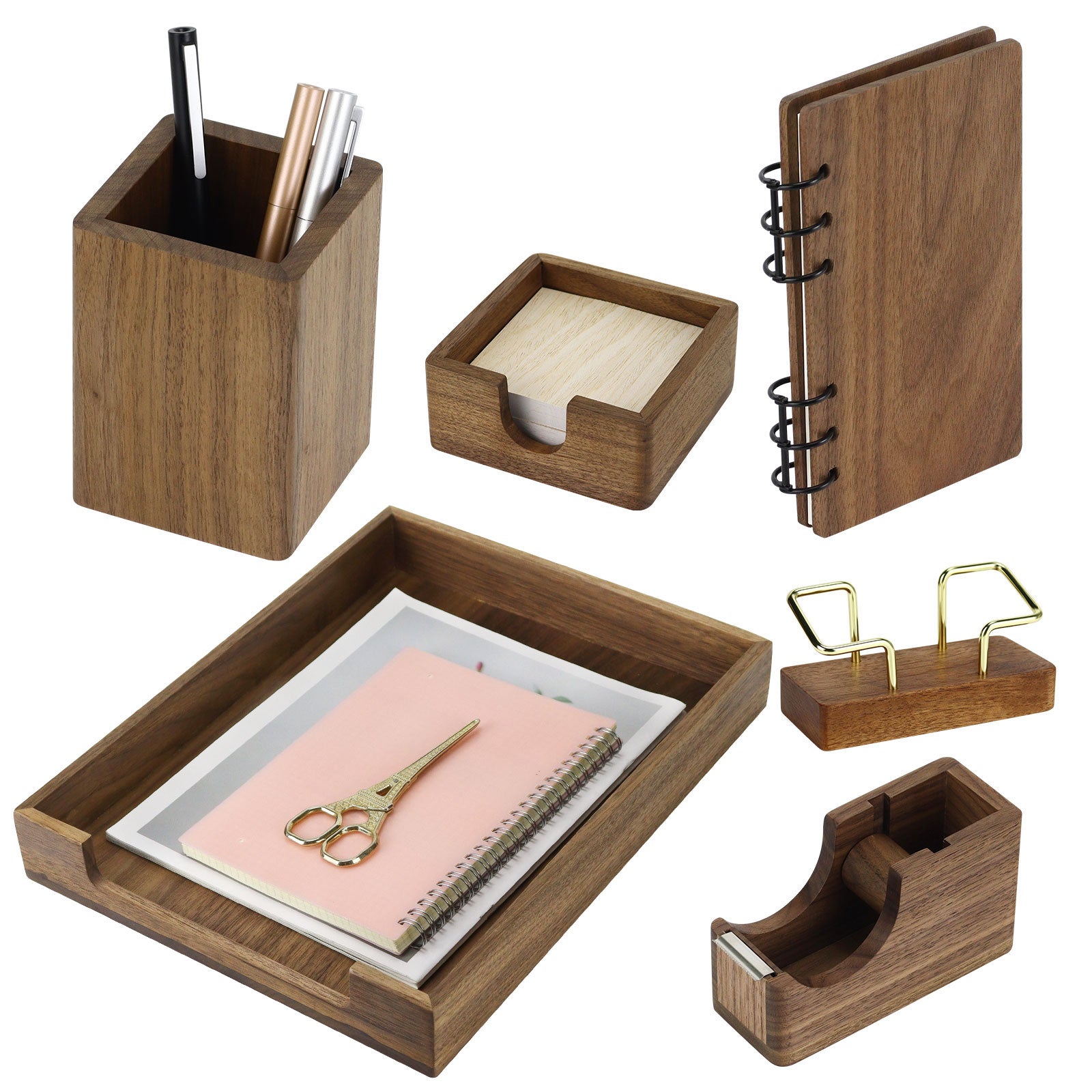

Minimalist Desk Setup Ideas Using Natural Wood Products

A minimalist desk setup is more than a visual trend—it’s a practical approach to creating a calm, focused, and highly productive workspace. By combining clean design principles with natural wood products, you can build a desk environment that feels warm, intentional, and timeless rather than cold or sterile.
In this guide, we’ll explore how to design a minimalist desk setup using natural wood, supported by data, material comparisons, and ergonomic parameters to help you make informed choices.
Core Principles of a Minimalist Desk Setup
Minimalism is not about owning less for the sake of it—it’s about owning better.
Key Principles
-
Intentional placement: Every object should serve a clear purpose.
-
Visual simplicity: Fewer shapes, consistent materials, and open space.
-
Functional ergonomics: Comfort should never be sacrificed for style.
-
Material consistency: Repeating textures (like wood grain) creates harmony.
Research in workplace psychology shows that cluttered environments can reduce task focus by up to 32%, while simplified workspaces improve information processing and attention span.
Why Natural Wood Is Ideal for a Minimalist Workspace
Natural wood bridges the gap between modern design and human comfort.
Benefits of Wood in Desk Design
-
Warm aesthetics that reduce visual fatigue
-
Sustainable sourcing (FSC-certified woods reduce environmental impact)
-
Longevity compared to plastic or MDF
-
Biophilic benefits, which studies link to:
-
Up to 15% higher productivity
-
Reduced stress and mental fatigue
-
Solid Wood vs Engineered Materials
| Material Type | Durability | Visual Quality | Sustainability | Lifespan |
|---|---|---|---|---|
| Solid Wood | High | Natural grain | High | 20–40 years |
| Plywood | Medium | Layered edge | Medium | 10–15 years |
| MDF | Low | Artificial | Low | 5–8 years |
| Plastic | Low | Flat | Low | 3–5 years |
Essential Natural Wood Desk Components
Solid Wood Desk or Tabletop
Your desk surface defines the entire setup.
Recommended Parameters
| Feature | Ideal Range |
|---|---|
| Thickness | 25–40 mm |
| Depth | 600–750 mm |
| Width | 1200–1600 mm |
| Finish | Natural oil / matte lacquer |
Popular Wood Types
| Wood Type | Appearance | Hardness | Best For |
|---|---|---|---|
| Walnut | Dark, rich | Medium | Luxury minimalist |
| Oak | Light grain | High | Scandinavian style |
| Maple | Smooth, pale | High | Modern minimal |
| Bamboo | Uniform | Medium | Eco-focused setups |
Wooden Monitor Stands & Laptop Risers
Minimalist setups benefit from vertical organization.
Ergonomic Data
-
Ideal monitor height: Top of screen at eye level
-
Optimal lift: 90–120 mm
-
Viewing distance: 500–700 mm
| Accessory | Benefit | Recommended Height |
|---|---|---|
| Monitor Stand | Neck alignment | 100–120 mm |
| Laptop Riser | Airflow & posture | 80–100 mm |
Wooden Desk Organizers
Minimalist does not mean “no storage”—it means hidden storage.
Best Organizer Types
-
Cable management boxes
-
Modular wooden trays
-
Vertical pen holders
| Organizer Type | Function | Ideal Size |
|---|---|---|
| Cable Box | Hide power strips | 300 × 120 × 110 mm |
| Tray System | Small tools | Modular |
| Drawer Insert | Clutter control | Desk-depth matched |
4. Wooden Keyboard Trays & Wrist Rests
Often overlooked, these accessories improve comfort and visual continuity.
| Feature | Recommended Parameter |
|---|---|
| Wrist Rest Height | 18–22 mm |
| Tilt Angle | 0–5° |
| Finish | Smooth oil, non-gloss |
Natural wood wrist rests reduce wrist pressure points compared to hard plastic alternatives.
Minimalist Desk Layout Ideas Using Natural Wood
Symmetrical Layout
-
Centered monitor
-
Matching speakers or lamps
-
Balanced visual weight
Asymmetrical Layout
-
Monitor offset
-
Empty negative space
-
One dominant wooden accessory
| Layout Type | Best For | Visual Effect |
|---|---|---|
| Symmetrical | Focused work | Order & calm |
| Asymmetrical | Creative tasks | Dynamic & modern |
Color Pairings That Work with Natural Wood
Minimalist color palettes enhance wood rather than compete with it.
| Color Combo | Style Outcome |
|---|---|
| Wood + White | Clean & bright |
| Wood + Black | Modern contrast |
| Wood + Gray | Scandinavian calm |
| Wood + Beige | Warm minimal |
Tip: Avoid mixing more than two wood tones in a single setup.
Lighting Choices for a Wood-Focused Desk
Lighting directly affects productivity and mood.
Recommended Parameters
| Lighting Element | Ideal Value |
|---|---|
| Color Temperature | 4000–4500K |
| Desk Illumination | 300–500 lux |
| Lamp Material | Wood + metal |
Warm-neutral lighting complements wood grain without yellowing the workspace.
Maintaining a Minimalist Wood Desk Setup
Maintenance Guidelines
-
Dust weekly with microfiber cloth
-
Oil finish refresh every 6–12 months
-
Avoid excessive moisture exposure
-
Remove unnecessary items monthly
Minimalism is an ongoing process—not a one-time setup.
Common Mistakes to Avoid
-
Mixing too many wood colors
-
Over-decorating with “minimalist” accessories
-
Choosing veneer instead of solid wood
-
Ignoring ergonomic measurements
-
Prioritizing aesthetics over usability
Conclusion
A minimalist desk setup using natural wood products creates a workspace that is calm, efficient, and enduring. By focusing on quality materials, thoughtful layout, and ergonomic parameters, you build a desk that supports both productivity and well-being.
Minimalism isn’t about having less—it’s about having what matters, crafted from materials that stand the test of time.
FAQs
What makes a desk setup truly minimalist?
A minimalist desk setup focuses on functionality, intentional item selection, and visual simplicity. Every object on the desk should have a clear purpose, with ample negative space and a limited color palette.
Why is natural wood popular in minimalist desk setups?
Natural wood adds warmth, texture, and visual balance to minimalist spaces. Unlike metal or plastic, wood creates a calming environment and supports biophilic design principles that improve focus and productivity.
Which type of wood is best for a minimalist desk?
Walnut, oak, maple, and bamboo are popular choices. Walnut offers a luxury look, oak is durable and light-toned, maple provides a clean modern appearance, and bamboo is an eco-friendly option.
Is solid wood better than veneer or MDF for desk setups?
Yes. Solid wood is more durable, ages better, and provides authentic grain patterns. Veneer and MDF are more affordable but have shorter lifespans and lower resistance to moisture and wear.
How thick should a wooden desk top be for stability?
A thickness of 25–40 mm is ideal for most minimalist desks. This range provides structural stability while maintaining a clean, modern profile.
How can I keep cables hidden in a minimalist desk setup?
Use wooden cable management boxes, under-desk trays, and monitor stands with built-in cable channels. Keeping cables out of sight preserves a clean and distraction-free workspace.
Should I match all wood accessories to the same color?
Ideally, yes. Using one primary wood tone—or at most two complementary tones—helps maintain visual harmony and prevents the desk from looking cluttered or inconsistent.
Are wooden desk accessories ergonomic?
Many wooden accessories, such as monitor stands, laptop risers, and wrist rests, are designed with ergonomic measurements. When properly sized, they improve posture, reduce strain, and maintain aesthetic consistency.
What lighting works best with a wood-focused minimalist desk?
Neutral white lighting between 4000–4500K works best. It highlights wood grain naturally without creating harsh contrasts or overly warm tones.
How do I maintain a natural wood desk surface?
Clean regularly with a dry or slightly damp microfiber cloth. Apply wood oil or conditioner every 6–12 months to protect the surface and enhance the natural grain.
Can minimalist desk setups improve productivity?
Yes. Studies show that uncluttered, well-organized workspaces can improve focus and reduce mental fatigue, leading to higher productivity and better workflow efficiency.
What are common mistakes to avoid when building a minimalist wood desk?
Common mistakes include mixing too many wood finishes, over-accessorizing, choosing low-quality veneer materials, and ignoring ergonomic desk and monitor height guidelines.